Windows and Siding Installation: Top Energy-Efficient Upgrades & Rebate Guide
Starting off with Windows and Siding Installation: Top Energy-Efficient Upgrades & Rebate Guide, this introduction aims to grab the attention of the readers and provide a sneak peek into the valuable information that follows.
The following paragraph will delve into the specifics of the topic, offering detailed insights and guidance
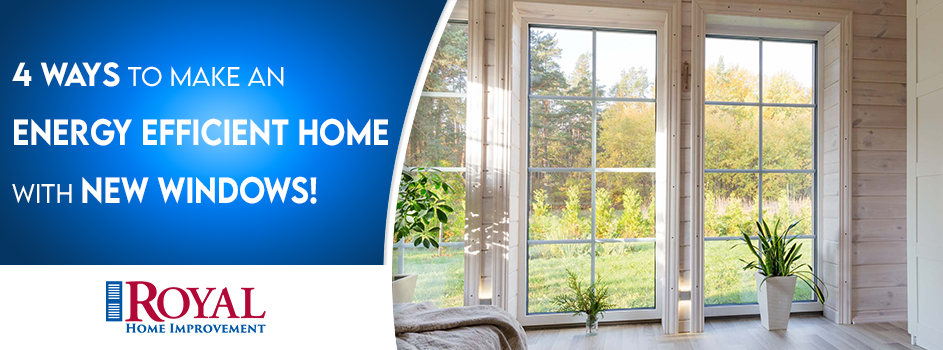
Energy-efficient windows offer several benefits, including cost savings on energy bills and a reduced environmental impact. By minimizing heat loss during winter and heat gain during summer, these windows help maintain a comfortable indoor temperature year-round.
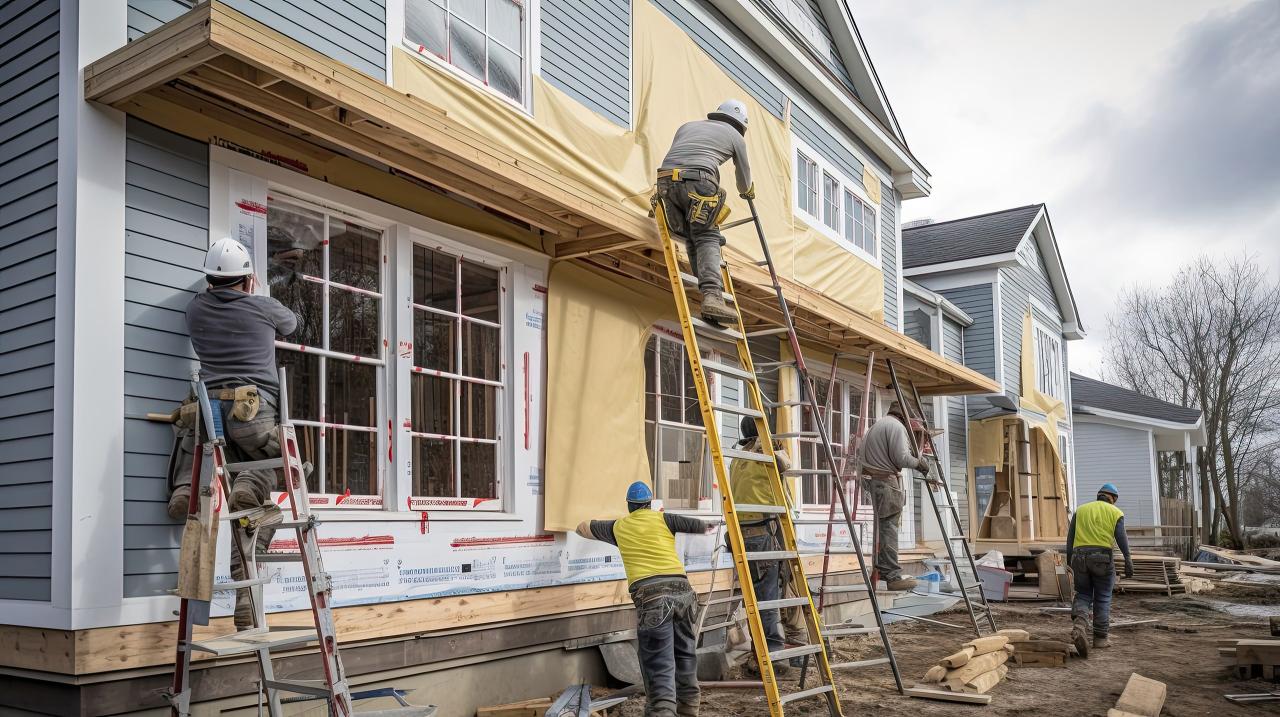
When it comes to improving the energy efficiency of a home, choosing the right siding material is crucial. The type of siding you select can impact the insulation properties of your home, which in turn affects how well your house retains heat or cool air.
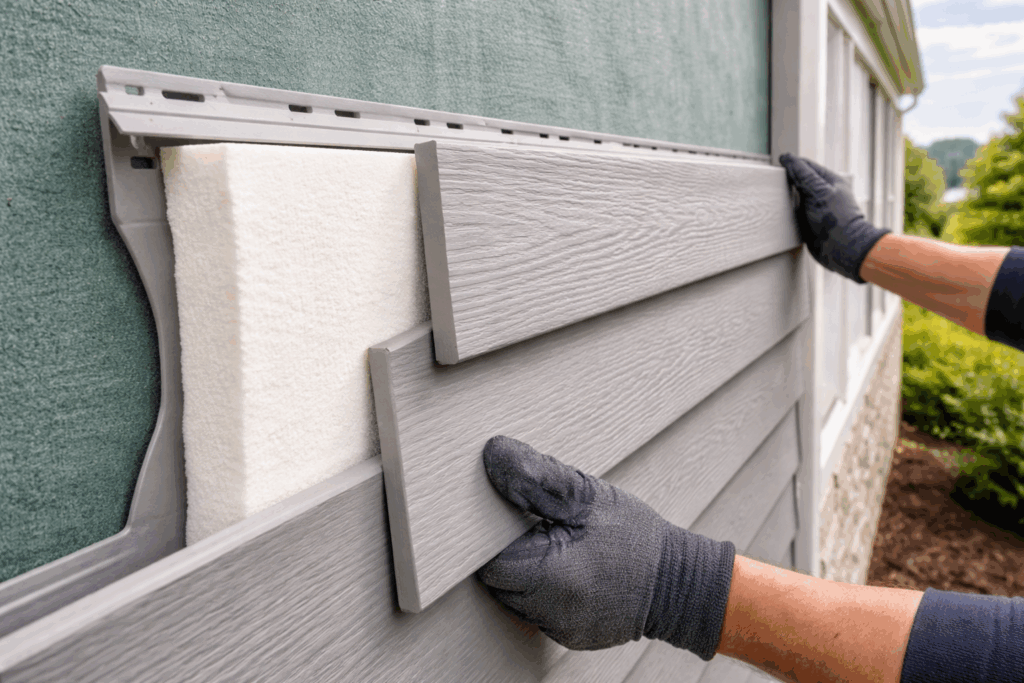
When considering energy-efficient upgrades for your home, it’s essential to explore rebate programs that can help offset the costs of installing new windows and siding. These programs are designed to encourage homeowners to invest in energy-saving improvements, ultimately reducing their carbon footprint and saving money on utility bills.
What are the benefits of energy-efficient windows?
Energy-efficient windows help in reducing energy costs and minimizing environmental impact by improving insulation and reducing heat loss.
Which siding materials are commonly used for energy-efficient upgrades?
Common siding materials for energy efficiency include vinyl, fiber cement, and wood.
How can homeowners qualify for rebate programs for windows and siding installation?
Homeowners can qualify for rebate programs by meeting specific eligibility criteria set by the program providers, such as purchasing energy-efficient products and meeting installation requirements.