
How Much Does It Cost to Replace Siding on a 2,000 Sq Ft House?
When considering the cost of replacing siding on a 2,000 sq ft house, several factors come into play that can impact the overall expense. These factors include the type of siding materials chosen, the quality and durability of those materials, labor costs for installation and removal, as well as the location and accessibility of the house.
The quality and durability of siding materials can significantly impact the overall cost of replacement. Higher quality materials may come with a higher initial cost but can result in long-term savings due to reduced maintenance and longevity.
Labor costs, including installation and removal, are a significant part of the total expense of siding replacement. Skilled labor for proper installation is crucial to ensure the longevity and effectiveness of the new siding.
The location of the house and its accessibility can also affect the pricing of siding replacement. Houses in remote or hard-to-reach areas may incur higher labor costs due to transportation and logistical challenges. Additionally, local labor rates and market conditions can influence the overall cost of the project.

When it comes to estimating the cost of siding replacement for a 2,000 sq ft house, there are several factors to consider. Let’s break down the typical costs associated with this project and provide some insights on how to get accurate quotes from contractors.
Wood siding tends to be more expensive, with prices ranging from $7 to $13 per square foot.
Average Price Range per Square Foot for Different Siding Materials
| Siding Material | Price Range per Square Foot |
|---|---|
| Vinyl | $3 $7 |
| Fiber Cement | $5 $12 |
| Wood | $7 $13 |
Additional Expenses
- Permits: Depending on your local regulations, you may need to obtain permits for the siding replacement project. Permit costs can vary but typically range from $100 to $500.
- Disposal Fees: Disposing of old siding materials may incur additional fees, especially if hazardous materials are involved. Budgeting an extra $100 to $200 for disposal is advisable.
- Equipment Rentals: If specialized equipment is required for the installation, such as scaffolding or a lift, you may need to rent them. Equipment rental costs can range from $50 to $200 per day.
Tips on Getting Accurate Quotes
- Get Multiple Quotes: Reach out to several contractors to get a range of estimates. This will help you compare prices and services offered.
- Be Specific: Provide detailed information about the scope of work, including the type of siding material, any additional services required, and your preferred timeline.
- Avoid Lowball Offers: While cost is important, be wary of unusually low quotes as they may indicate subpar materials or workmanship.
Cost-saving strategies for siding replacement
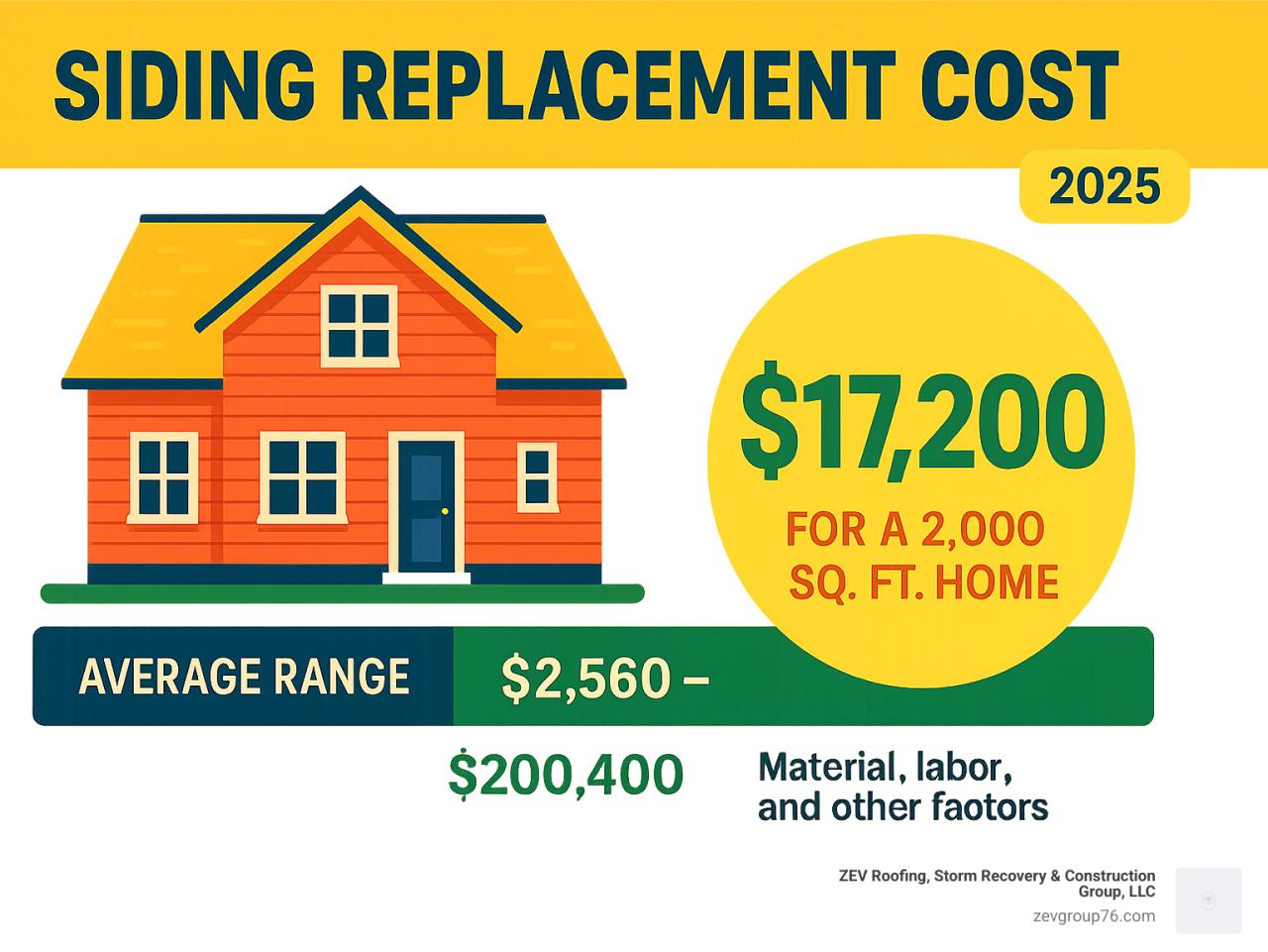
When it comes to replacing siding on a 2,000 sq ft house, there are several cost-saving strategies you can consider to help you stay within budget without compromising on quality.
DIY installation can save you money on labor costs, but hiring professionals ensures proper installation and may come with warranties or guarantees.
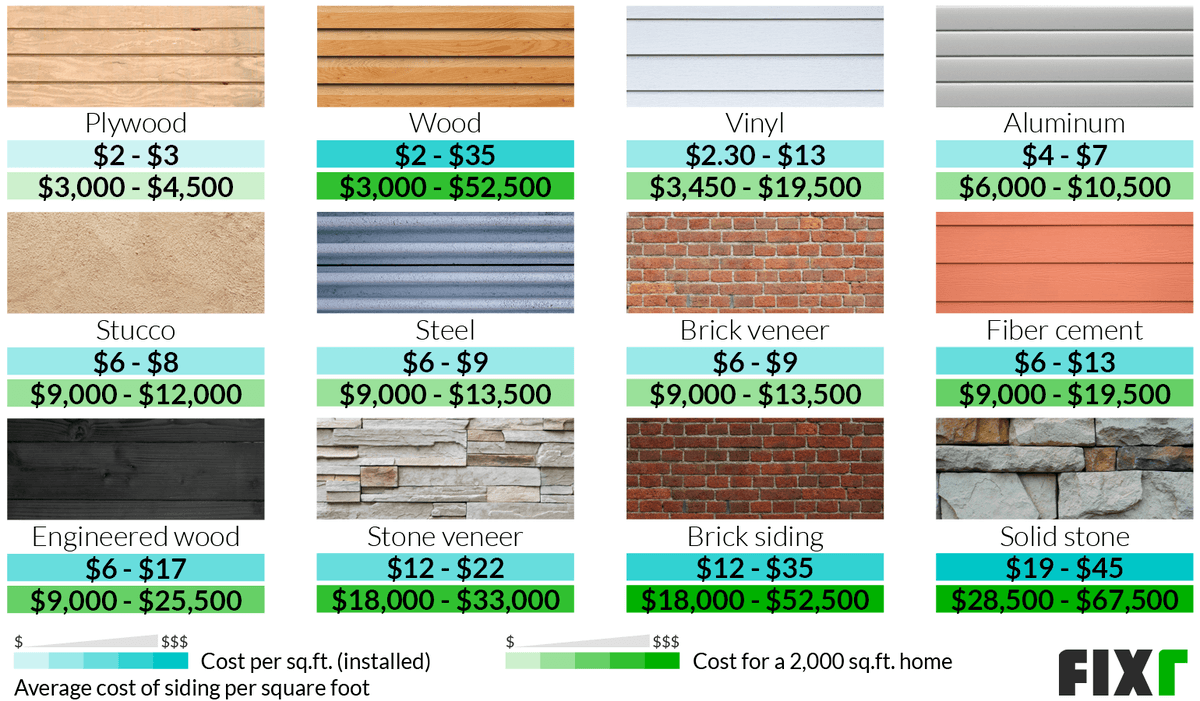
When considering siding replacement for your 2,000 sq ft house, it’s essential to weigh the costs and benefits of different siding materials. Here, we will compare popular siding options based on upfront costs, maintenance requirements, lifespan, environmental impact, aesthetics, and long-term value.
Vinyl siding is a popular choice due to its affordability and low maintenance. The upfront cost for vinyl siding is relatively lower compared to other materials. It requires occasional cleaning but generally has a long lifespan of 20-40 years. However, the environmental impact of vinyl production and disposal can be a concern.
Fiber cement siding offers a more durable option with a longer lifespan of 30-50 years. It has moderate maintenance requirements and is resistant to fire, rot, and insects. The upfront cost for fiber cement siding is higher than vinyl but lower than wood or brick.
Wood siding provides a classic and natural look to your home. However, it requires more maintenance, including staining or painting every few years. The upfront cost for wood siding can vary depending on the type of wood chosen. Cedar and redwood are popular choices but can be costly.
Brick siding is known for its durability and timeless appeal. It has a lifespan of over 100 years and requires minimal maintenance. However, the upfront cost for brick siding is one of the highest among siding materials.
Based on cost-effectiveness and long-term value, vinyl siding may be the most suitable option for homeowners looking for an affordable and low-maintenance solution. Fiber cement siding is a great alternative for those willing to invest a bit more upfront for added durability.
Wood and brick siding are more expensive options but offer unique aesthetics and longevity.
What are the different types of siding materials suitable for a 2,000 sq ft house?
Answer
How can I reduce costs without compromising quality in siding replacement?
Answer
What are the benefits of DIY siding installation versus hiring professionals?
Answer
Are there any available rebates or tax credits for siding replacement projects?
Answer